User Advancement Pathways in Portable Apps Uniting Slot Machines, Card Tables, and Sports Predictions
Dana Keller · Nov 10, 2026
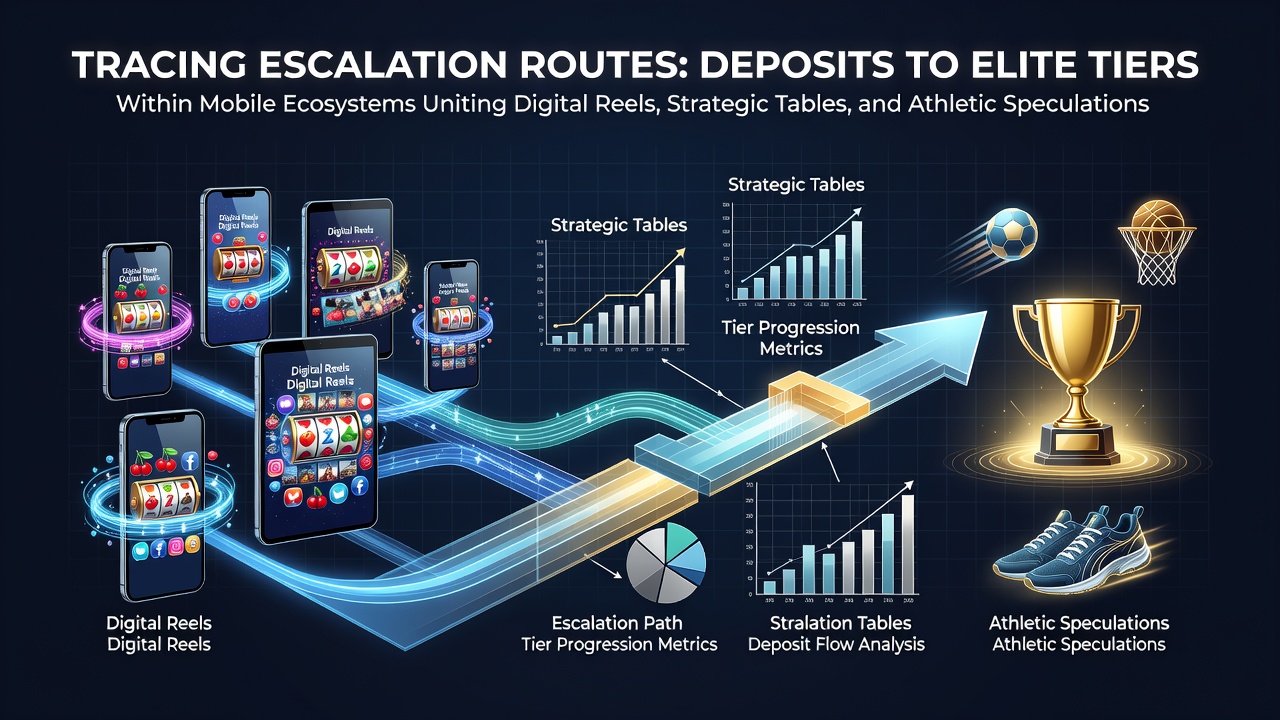
User Advancement Pathways in Portable Apps Uniting Slot Machines, Card Tables, and Sports Predictions
Digital platforms that combine automated reel games, strategic table sessions, and athletic prediction markets have developed structured systems where initial deposits trigger point accumulation and status elevation, according to industry reports on mobile engagement patterns. These pathways operate through automated recognition protocols that convert transaction volume into tiered benefits, including enhanced bonus structures and expedited withdrawal processing. Observers note that operators track deposit frequency alongside play activity across all three verticals, creating unified profiles that reflect total ecosystem participation rather than isolated game categories.
Core Mechanics of Deposit-Driven Recognition
Deposits initiate the process by feeding into real-time calculation engines that award base points scaled by payment method and amount, while research from the American Gaming Association indicates that credit card and e-wallet transfers often receive multiplier effects compared with bank transfers. Points then roll into tier thresholds that unlock successive levels, typically labeled bronze through platinum or diamond designations, each carrying distinct access privileges. Those who've examined these systems find that cross-category activity accelerates advancement because operators apply combined multipliers when users engage reels, tables, and sports forecasts within the same session window.
November 2026 data compiled by several North American operators revealed that users reaching mid-tier status within 30 days of first deposit demonstrated 47 percent higher retention rates than those remaining at entry level, a pattern attributed to progressive reward layering. The same figures show that sports wager volume contributed disproportionately to point totals once users cleared the initial bronze threshold, suggesting that athletic prediction markets serve as efficient accelerators once foundational recognition is established.
Integration Across Game Categories
Platforms maintain separate ledgers for reel spins, table play, and sports positions yet merge them into a single loyalty ledger visible through the account dashboard. A deposit earmarked for reel sessions can generate points that later convert into table stake credits or sports boost tokens, a feature documented in technical specifications released by multiple app developers. This interoperability reduces friction and encourages users to sample all three offerings rather than confining activity to one segment.
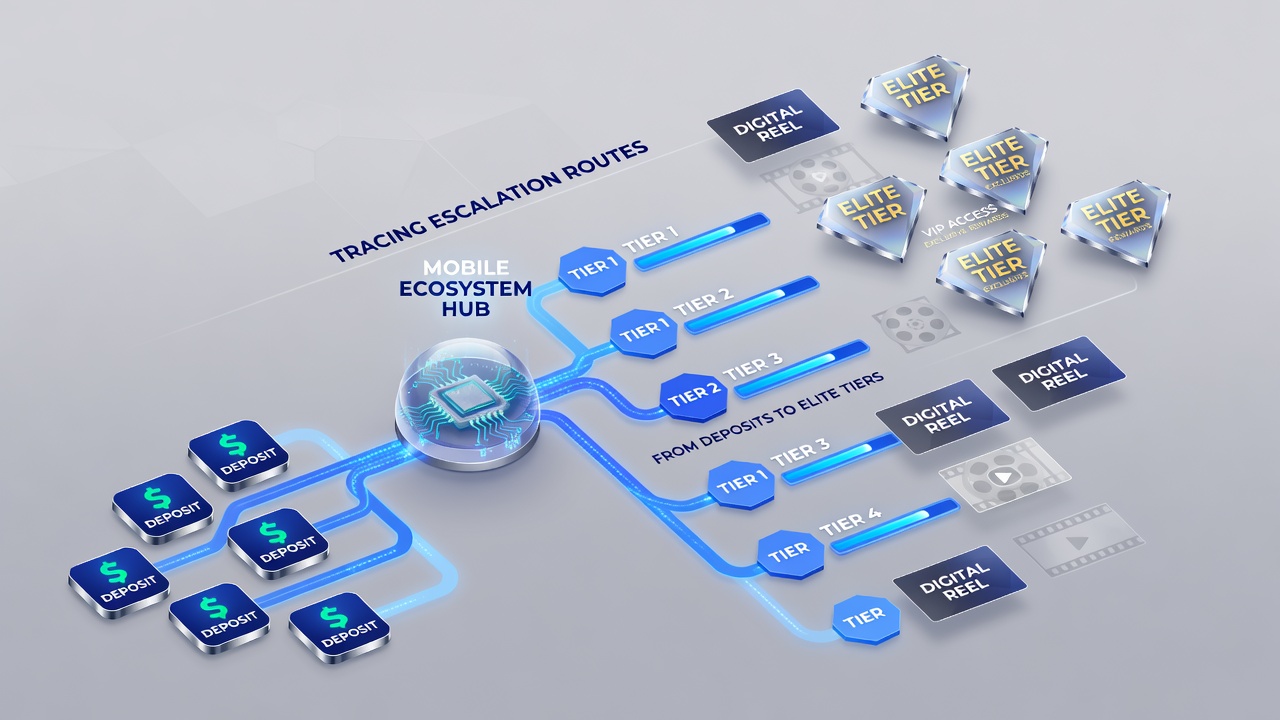
Studies conducted by the University of Las Vegas Center for Gaming Research found that users who activated sports prediction features after reaching silver status increased their overall deposit frequency by an average of 2.3 times within the subsequent quarter. The same research tracked point migration where reel-generated points funded table minimums and live dealer sessions, illustrating how the unified ledger supports fluid movement between entertainment formats.
Regional Regulatory Influences on Tier Structures
Regulatory frameworks in different jurisdictions shape the visibility and communication of these escalation routes. Australian authorities require clear disclosure of point-to-tier conversion ratios before any deposit occurs, while certain Canadian provincial bodies mandate that operators publish average time-to-upgrade statistics for each tier. These rules create transparency that allows users to compare progression speeds across competing applications without relying on promotional claims alone.
Payment speed remains a secondary but influential factor because instant deposits often carry higher point multipliers than standard processing methods, according to transaction logs examined by compliance teams. Elite tiers frequently include dedicated account managers who assist with optimizing deposit schedules to maximize recognition velocity, a service that becomes available once users surpass predetermined cumulative funding thresholds.
Future Trajectory and Platform Evolution
Operators continue refining algorithms that weight athletic speculation activity more heavily during peak event periods, such as major league seasons, thereby creating seasonal surges in tier advancement. Data released by the Canadian Gaming Association in late 2026 projected that integrated platforms will further merge reward ledgers with external loyalty currencies, allowing points earned on mobile reels to transfer toward hotel stays or dining credits at affiliated land-based properties.
Those monitoring these developments observe that the core architecture linking deposits to elite access has stabilized around multi-category participation metrics rather than single-game focus. This architecture supports sustained engagement across reels, tables, and sports forecasts while maintaining distinct regulatory compliance layers for each vertical.
Conclusion
Deposit-initiated recognition systems in unified mobile environments function through merged point ledgers that reward activity across digital reels, strategic tables, and athletic prediction markets. Regional regulations influence disclosure standards, while operational data from 2026 indicates accelerating advancement when users distribute participation across all three categories. Platform evolution points toward deeper integration with external loyalty currencies, extending the utility of tier status beyond the mobile interface itself.